
The Difference Between Domestic and Commercial Scaffolding in the UK
Scaffolding plays an essential role in almost every type of construction or maintenance work across the UK, but many homeowners and business owners are unaware that not all scaffolding projects fall under the same category. Domestic and commercial scaffolding have important differences in purpose, scale, design, and safety expectations. Understanding these variations helps people choose the right service and avoid problems during a project. Both types share the same basic goal of creating a safe access platform, yet each one serves a completely different environment and set of requirements.
What Is Domestic Scaffolding?
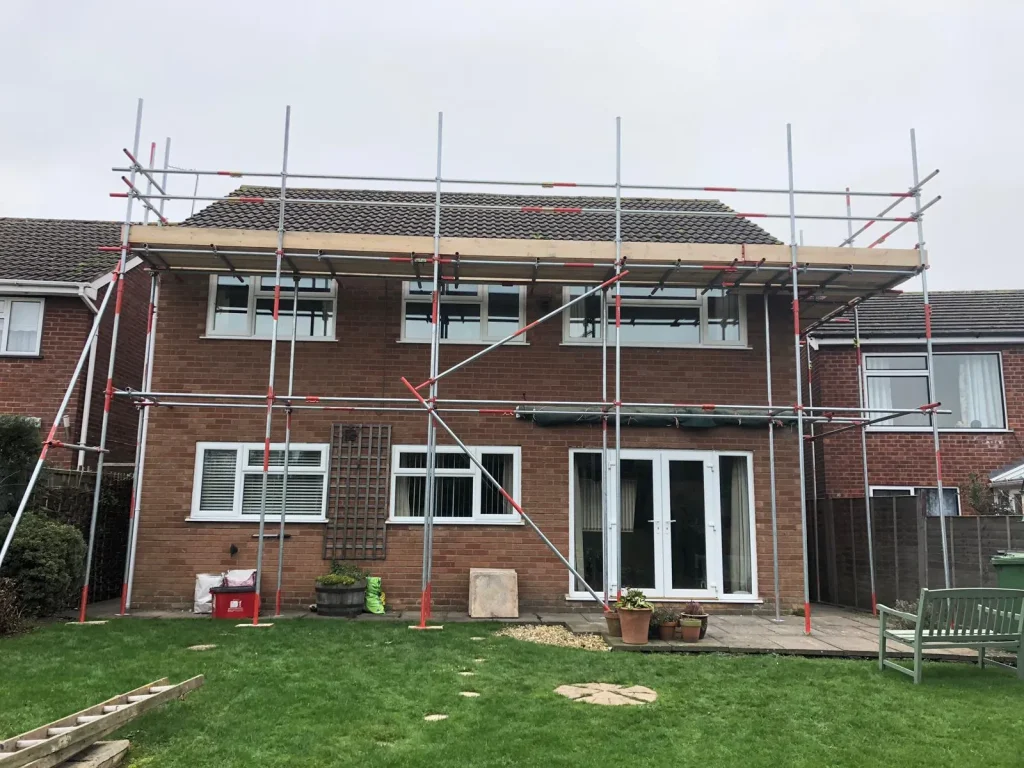
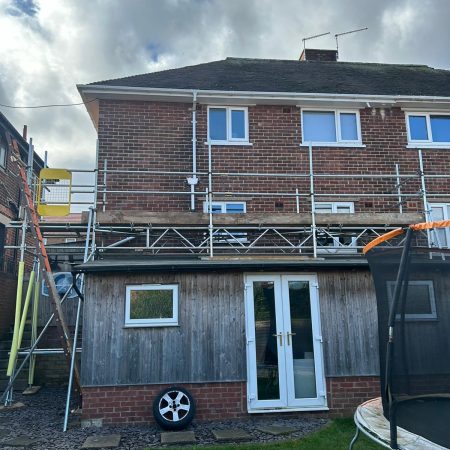
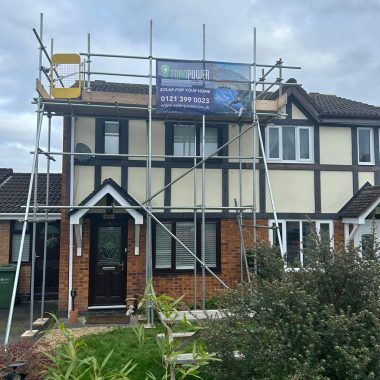
Domestic scaffolding is designed for residential properties and smaller-scale projects. It is commonly used for tasks like roof repairs, painting work, gutter replacements, chimney maintenance, loft conversions, and home extensions. This type of scaffolding is usually straightforward because the work involves a single property and simpler structural layouts. Homeowners often need it for short periods, and the installation generally takes less time compared to larger developments. Domestic scaffolding is built with access and convenience in mind, ensuring that workers can reach all required areas without disturbing the household.
What Is Commercial Scaffolding?
Commercial scaffolding is typically required for bigger properties and business environments. This can include places like office blocks, shops, industrial sites, multi-storey buildings, and large construction areas where more advanced access systems are necessary. These projects involve more advanced access systems, greater load capacity, and extensive design planning to meet strict regulations. Commercial structures often have unique architectural features, requiring specialist techniques and stronger equipment. Because commercial work impacts business operations and involves multiple trades, scaffolders must coordinate with project managers, site teams, and safety officers. Commercial scaffolding stays in place for longer durations and demands higher levels of planning before installation begins.
Design Differences Between Domestic and Commercial Scaffolding
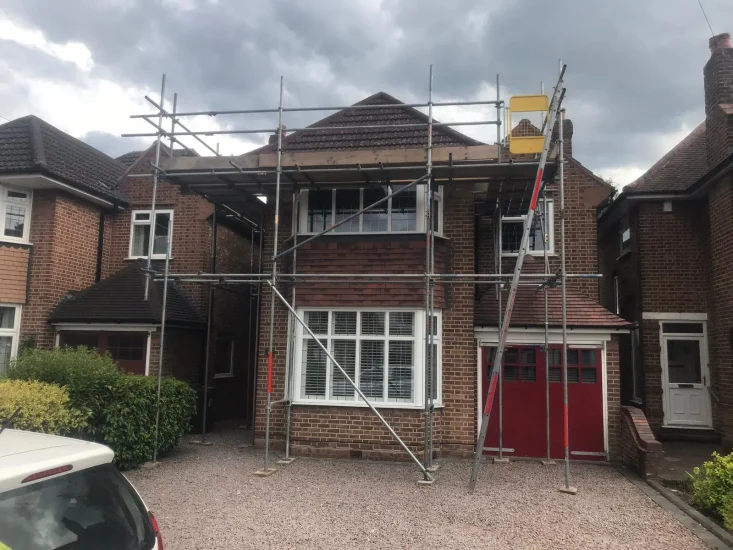
One of the most noticeable differences between the two types is in how they are designed. Domestic scaffolding usually follows a standard layout because most houses share similar height and structure. The design focuses on giving safe access to specific areas, with minimal disruption to pathways, gardens, and surrounding property. Commercial scaffolding, however, requires detailed planning and drawings due to the complexity of the buildings. Different access points, multiple levels, wider platforms, and heavy loads must be considered before installation. Engineers may be involved to ensure the structure can support the required pressure throughout the project.
Safety Requirements and Regulations
Safety plays a central role in both domestic and commercial scaffolding, but commercial projects often demand more detailed compliance due to higher risks. Domestic jobs still follow UK standards such as TG20:21 and Work at Height Regulations, but the safety procedures are simpler because fewer workers are involved. Commercial scaffolding must consider a greater number of risks, including heavy machinery, public foot traffic, multiple contractors, and extended working hours. Professional scaffolders carry out regular inspections and risk assessments on both types, but commercial sites usually require more frequent checks and documentation to meet regulatory standards.
Scale and Duration of the Project
Domestic scaffolding typically covers small areas around a home and remains in place for shorter periods. A simple home repair might only need scaffolding for a few days or weeks. Commercial scaffolding often spans large areas of a building and remains up for months, depending on the size of the project. The scale also affects the number of scaffolders involved. Domestic jobs might only need a small team, while commercial installations require larger crews working in stages to complete the structure safely.
Cost Differences Between Domestic and Commercial Scaffolding
There is a clear difference in cost between the two types. Domestic scaffolding tends to be more affordable because the equipment required is less extensive and the installation is faster. Prices depend on factors like height, access difficulty, and location, but the overall cost is lower compared to commercial systems. Commercial scaffolding involves more complex planning, heavy-duty materials, greater labour, and longer rental periods, which increases the overall price. Businesses also require additional features like edge protection, debris netting, staircase towers, or loading bays, all of which add extra cost.
Choosing the Right Type for Your Project
Selecting the correct scaffolding depends on the nature of the work being carried out. Homeowners should always choose domestic scaffolding for residential maintenance, while businesses and contractors must use commercial scaffolding for larger developments. Working with a professional scaffolding company ensures that the right system is selected and installed according to UK safety regulations. A reliable team will always assess the site, recommend the appropriate structure, and ensure everything is delivered safely and efficiently.
FAQs
Yes, domestic scaffolding is usually more affordable because it involves smaller structures, quicker installation, and simpler designs compared to commercial systems.
It really varies based on how big the building is and how complicated its layout may be. Small single-storey units may use domestic scaffolding, but anything larger or more complex should be treated as a commercial project.
Yes, both domestic and commercial scaffolding require safety checks, but commercial sites often need more frequent inspections due to stricter regulations.
Commercial scaffolding may remain in place for several months depending on the scale of construction or renovation work.
In most cases, no. However, permission may be required if the scaffolding extends onto public pathways or roads, in which case the local council must approve it.